JKMuir provides sustainability, decarbonization, and climate resilience services for public agencies, municipalities, utilities, manufacturers, and industrial clients. We put data and quantified value behind energy, embodied carbon, and resilience strategies at every stage of a project. In planning and design, we assess climate vulnerability, prepare Climate Resilience Adaptation Plans, and quantify energy and embodied carbon through life cycle assessment. During construction, we support low-carbon and regional materials procurement and track construction waste. In operations, we develop energy, renewable, and emissions reduction strategies. Our goal is the triple bottom line: lower cost, lower embodied carbon, and reliable service.
Renewable Energy
- Evaluation of Viable Renewable Energy Technologies Opportunities to Reduce Greenhouse Gas Emissions
- Ensure technology achieves broader project objectives
- Determine constraints and challenges to implementation
- Estimate project cost and return on investment
- Greenhouse Gas Accounting and Mitigation
- Development & Modeling of Greenhouse Gas Emission Reduction Strategies
- Consider opportunities to mitigate greenhouse gas impacts through thoughtful equipment selection and use of the mitigation hierarchy
- Solar site prioritization and multi-year solar program roadmaps for utilities and public agencies, including compensation program evaluation (e.g., Connecticut Rate 980 vs. NRES) and watershed land-use constraints.
- Energy recovery feasibility (e.g., sewer heat recovery using heat pumps), including thermal resource assessment, technology screening, and order-of-magnitude cost opinions.
- Translation of process model output (e.g., BioWin) into energy use, so treatment alternatives can be compared by energy use and cost.
- Our Work in Action!
Biosolids
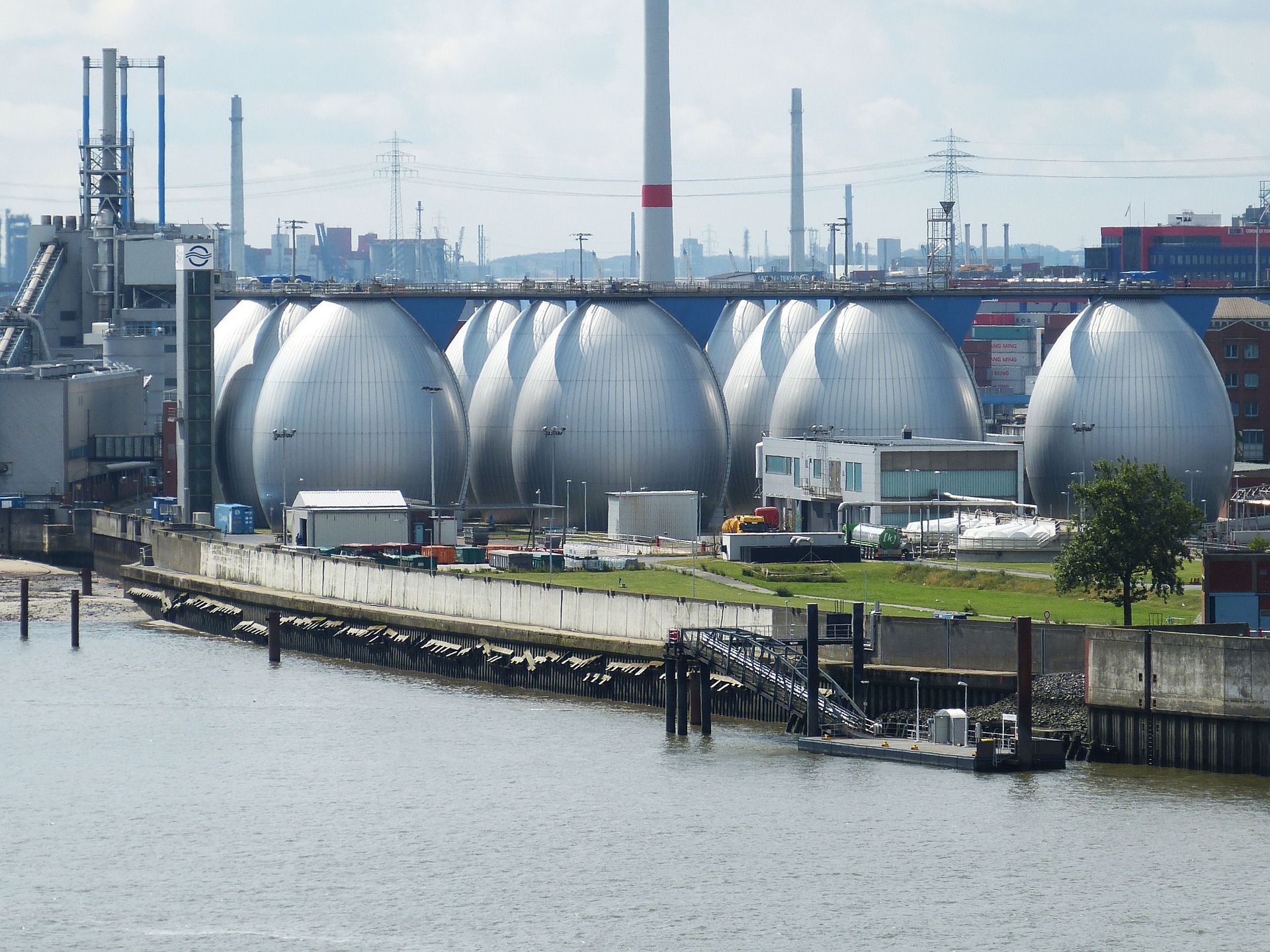
- Feasibility Analyses for Anaerobic Digestion & Cogeneration
- Lead anaerobic digestion studies to maximize gas production and beneficial use
- Development of Sludge & Biosolids Management Plans
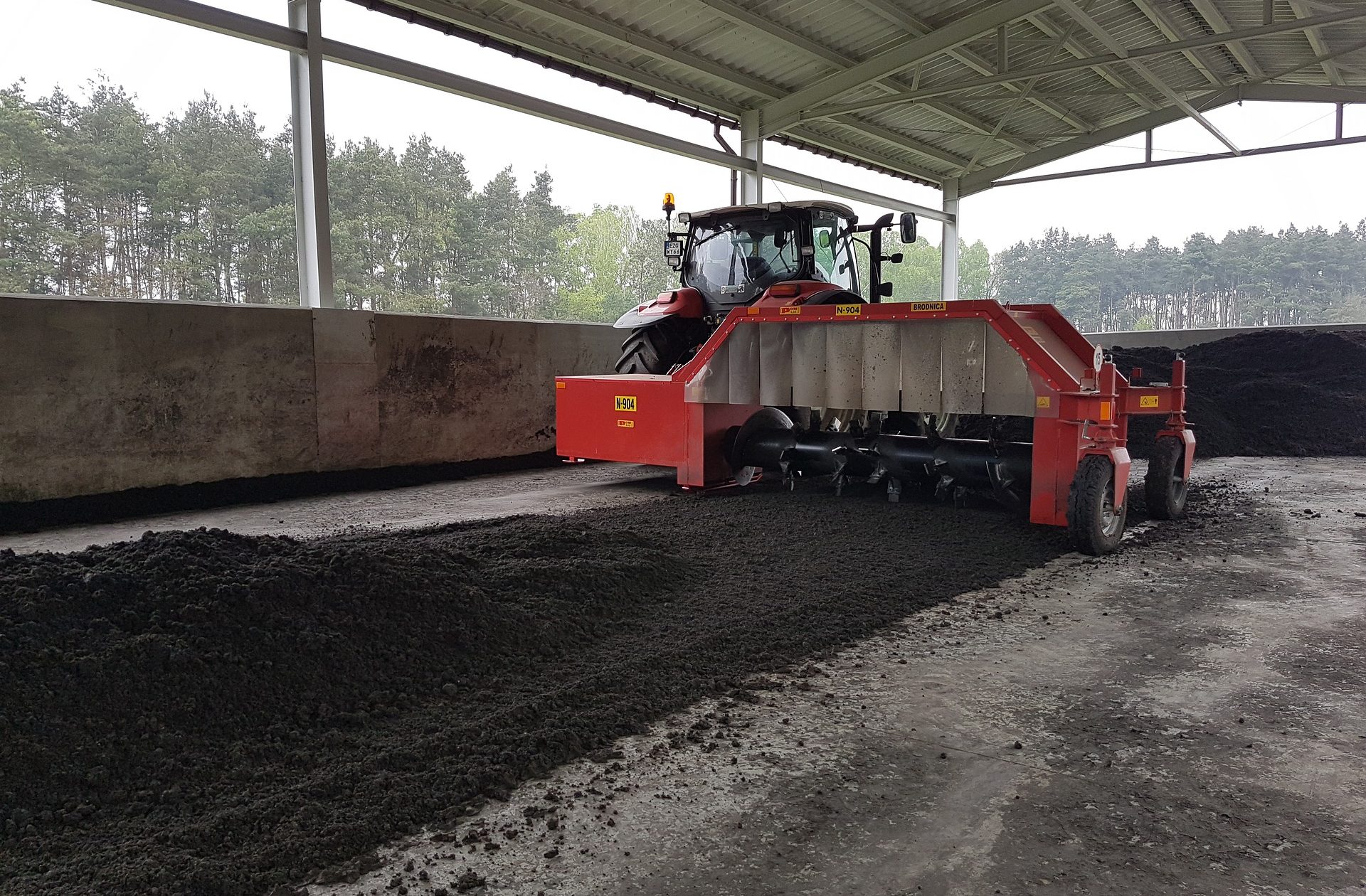
- Biosolids carbon footprint modeling with the NEBRA Biosolids Emissions Assessment Model (BEAM) to compare landfill, compost, and thermal options.
- Screening of wastewater-solids biochar for carbon removal credit pathways (e.g., Puro.earth), including eligibility, additionality, and data needs.
- Our Work in Action!
JKMuir Infrastructure Embodied Carbon Toolkit: Built for Sustainable Procurement and Envision Project Certification
JKMuir’s Infrastructure Embodied Carbon Toolkit supports our clients to assess, select, report, and track a product and equipment lifecycle emissions to meet their sustainable procurement and low-carbon construction and operations goals. Since 2020, the toolkit supported major design and construction milestones across $2B+ in public infrastructure.
At its core is JKMuir’s life cycle carbon emission factor and product declaration database for building and infrastructure materials, fuels, and equipment. The tool converts cost estimate, specifications, and drawings into a ton-by-ton materials forecast of construction, demolition, temporary works, and excavated soil at 30%, 60%, and 90% design through construction verification and operations. Because the data is entered once, the carbon result and the procurement record come from the same dataset.
What the toolkit does:
- New material inventory from the cost estimate: maps cost estimate quantities to a controlled material taxonomy (concrete, steel, masonry, coatings, process equipment) and matches each line to an Environmental Product Declaration (EPD) and its global warming potential (GWP).
- Sustainable and regional procurement: records supplier, sourcing distance, and recycled and regional content on every line, focused on the regional supply chain.
- Whole life carbon, not just production: extends to transport, maintenance and replacement, end of life, and grid-dependent operations to compare an operations baseline with the future project.
- Construction waste forecasting: records ton-by-ton materials forecast, identifies permitted receiving facilities, and quantifies carbon avoided through reuse and recycling.
- Construction-stage tracking: a contractor reporting form captures monthly waste, end use, and material sourcing during construction, measured against design-phase targets.
- Traceable and comparable: every reported value links back to a cost estimate line and a specific EPD, with documented assumptions, so results compare across milestones and roll up across a capital portfolio.
Envision® Certification
- Climate change & Resiliency are interwoven into project decisions when implementing the Envision framework. Consideration is given to a project’s ability to withstand climate risk over its lifecycle and ensures that design decisions align with broader resiliency and sustainability goals achieved through interagency and stakeholder collaboration. Our project team also focuses on opportunities to minimize emissions that further exacerbate climate change
- Use of virgin materials accounts for a substantial portion of infrastructure resources and carbon intensity. By quantifying and determining the resources used in a project, opportunities for recycled and sustainable sourced content can be explored to minimize the embodied carbon associated with construction.
- JKMuir’s in-house Envision Sustainability Professionals (ENV SP) deliver programmatic Envision support across agency-wide capital programs, from workshops and pre-assessments to verification documentation. For local communities, we map Envision credits to regional and state actions so infrastructure projects count toward goals stakeholders have already adopted. We are finding business-as-usual combined with local policy drivers results in projects achieving Envision certification.
Funding
- We guide clients through state grant programs and utility energy efficiency incentives that fund sustainability studies, pilot projects, emissions reductions, resilience improvements, and on-site generation. This includes custom measure incentive applications with documented baseline and proposed-case energy savings, and state grant applications for energy recovery and decarbonization projects.
- Our Work in Action!
The goal of our services is to create a culture of sustainability without compromising reliability.
Our goal is to build a culture of sustainability without compromising reliability. JKMuir puts data and quantified value behind decarbonization and resilience strategies across public infrastructure and facilities, from embodied carbon in construction materials to climate adaptation and energy and resource recovery in operations. Contact us to discuss your project.
FAQ’s
Does JKMuir calculate embodied carbon for infrastructure projects? Yes. JKMuir quantifies embodied carbon for public infrastructure and facility projects using the JKMuir Infrastructure Embodied Carbon Toolkit and its life cycle carbon emission factor database, with results successfully reported for NYC Executive Order 23, ISI Envision, and Buy Clean requirements.
Can JKMuir estimate construction and demolition waste before construction? Yes. Our Infrastructure Embodied Carbon Toolkit forecasts waste by material and tonnage at each design milestone and identifies permitted receiving facilities and avoided carbon.
Does JKMuir prepare climate resilience adaptation plans? Yes. JKMuir prepares Climate Resilience Adaptation Plans, including climate vulnerability assessments and adaptation strategies, for infrastructure projects and municipalities in alignment with local policy and ISI Envision requirements.
Does JKMuir perform energy audits and pump testing? Yes. We provide field pump testing, energy audits, peak demand analysis, and utility incentive applications for municipal, utility, and industrial facilities.
Is JKMuir a certified WBE/DBE firm? Yes. JKMuir is WBE and DBE certified in multiple states and New York City, see the certification list on our homepage.